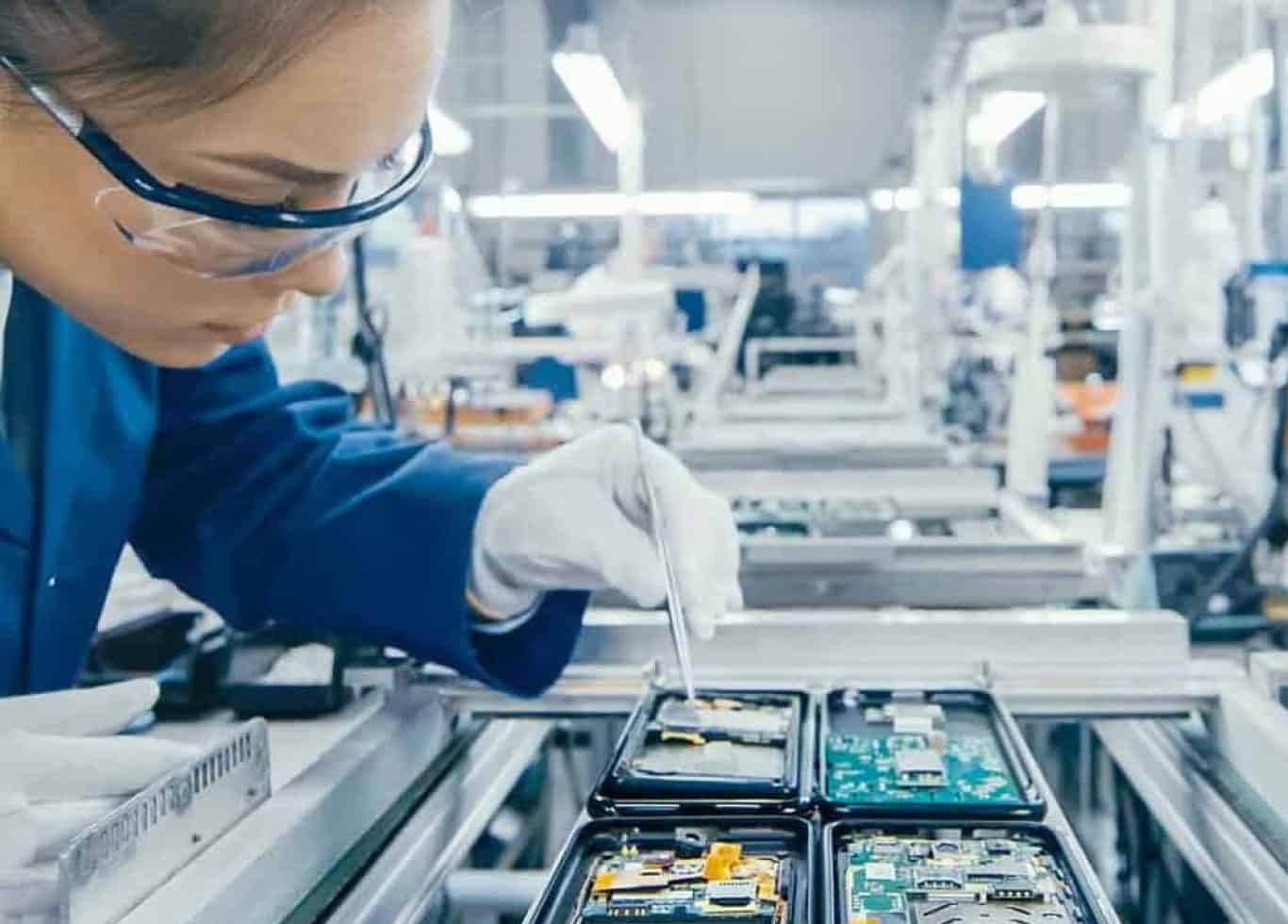
Manufacturing Process: From Powder to High-Performance Component
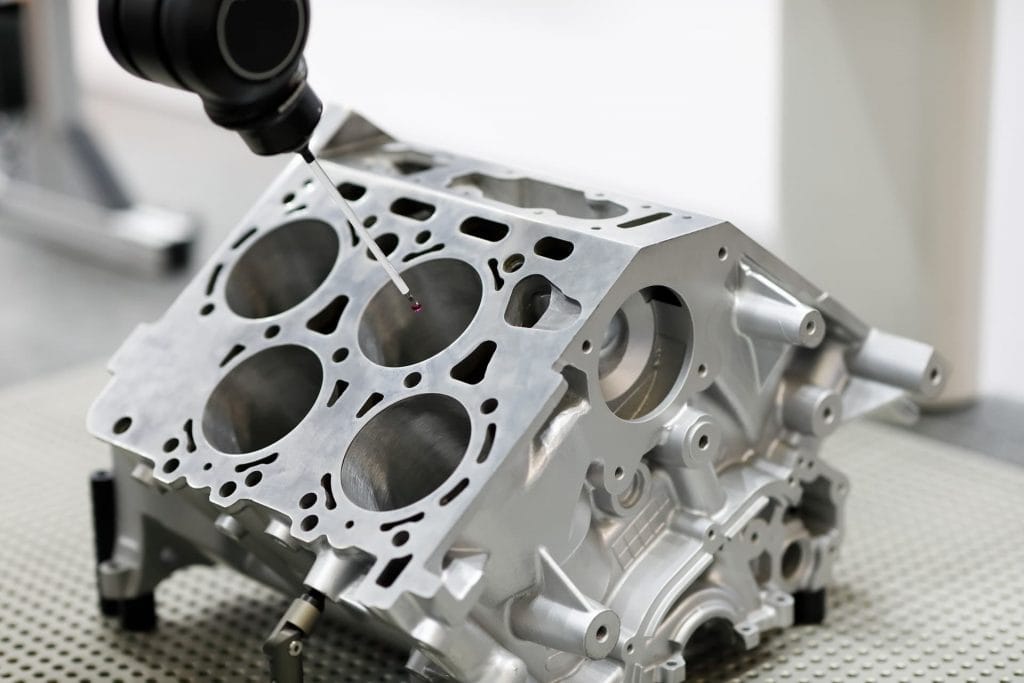
Ceramics are not just “another material.” Anyone who wants to use technical ceramics must consider manufacturing, geometry, and cost efficiency together from the very beginning. Otherwise, a good idea will result in a component that, while functional, no one will be willing to pay for in mass production. That’s exactly what this page is about: ceramic manufacturing processes that deliver in everyday use—repeatable, measurable, and scalable. And in such a way that a project doesn’t stop at “it worked once,” but becomes reproducible. We always start with the same two questions: What must the component withstand during use, and what should its production cost be later on in series production? This determines the process path. Depending on the quantity, geometry, and tolerance requirements, we select the shaping method, carry out debinding and sintering in a controlled manner, and focus on precision where it’s truly needed: on functional surfaces, fits, and finishes that determine the final performance in the field. Ceramic manufacturing processes are therefore not just a “list of machines,” but a process chain built to achieve a specific goal.
Ceramic Injection Molding (CIM): Efficiency in Mass Production
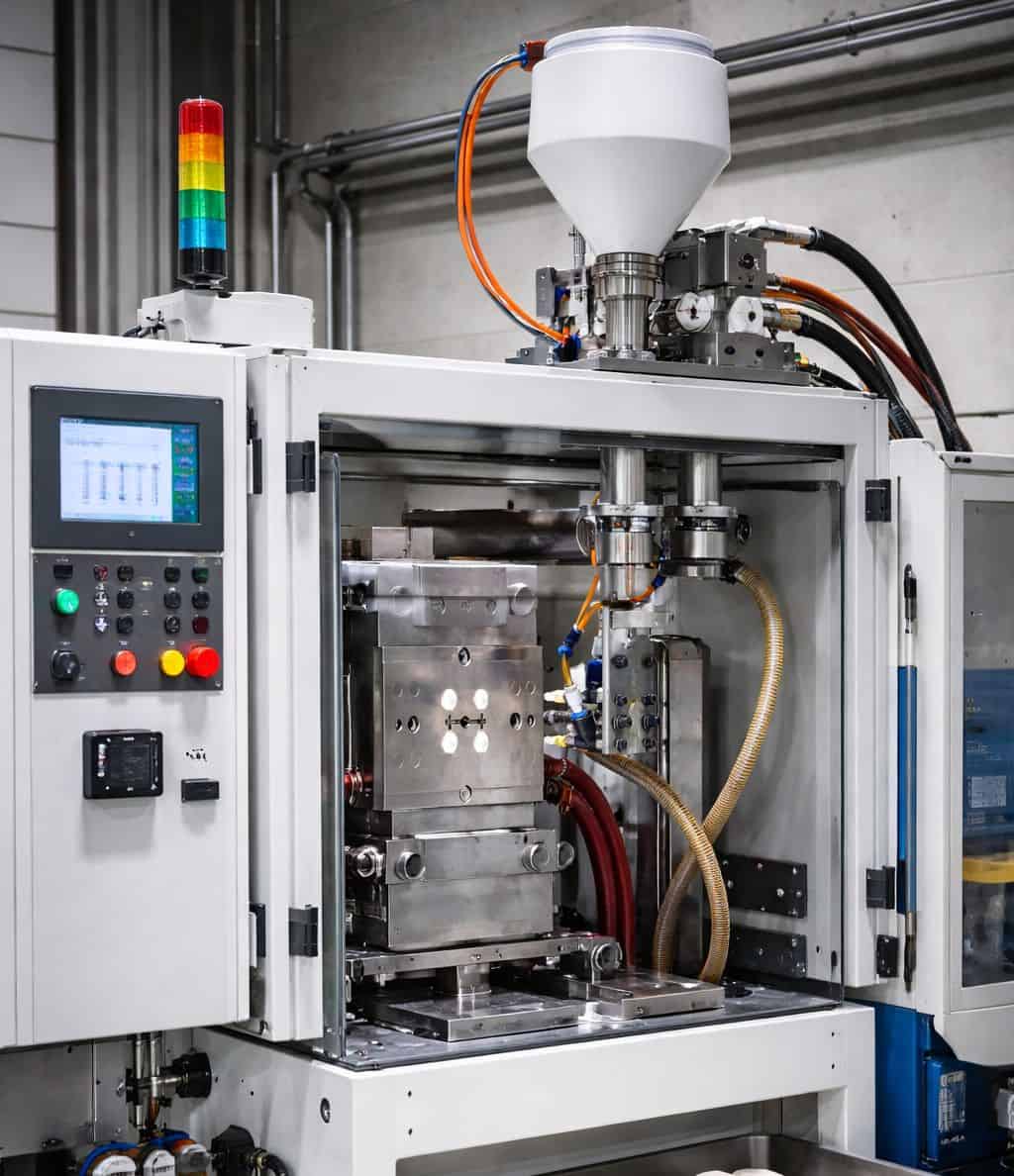
CIM is our standard when it comes to production volumes and when complex geometries need to be produced cost-effectively. Ceramic injection molding is, at its core, a mass-production process: shaping using a mold, with “near-net-shape” as the goal, and thus the opportunity to significantly reduce costly rework. In ceramics, this is often the difference between “technically possible” and “economically viable.”
The key lies in the interplay between part design, tooling, shrinkage management, and process control. Ceramics do not tolerate any lack of precision here, but they reward thorough planning. That’s why we provide early feedback on where geometries in ceramics become costly, where a small radius can save hours of finishing later on, and how a part can be optimized for maximum cost-effectiveness in series production. Anyone who takes CIM seriously thinks not only about the first part, but also about consistency starting at 10,000 units.
For us, shaping isn’t limited to CIM. Depending on the component, we also use dry pressing—mechanical, hydraulic, or servo-electric—if the component is well-suited for it. CIP and green machining also come into play for rapid prototyping and pre-production runs. What matters is not the process as an end in itself, but rather the right process chain to meet the specifications.
One factor that is often underestimated in projects: speed in tooling and molding. We have our own tooling and mold making, including tool design and engineering. For customers, this means fewer points of contact, faster iterations, and shorter processes. Especially when a project suddenly “takes off,” this isn’t just nice—it’s crucial.
Additive Manufacturing (3D Printing): Prototypes in Record Time
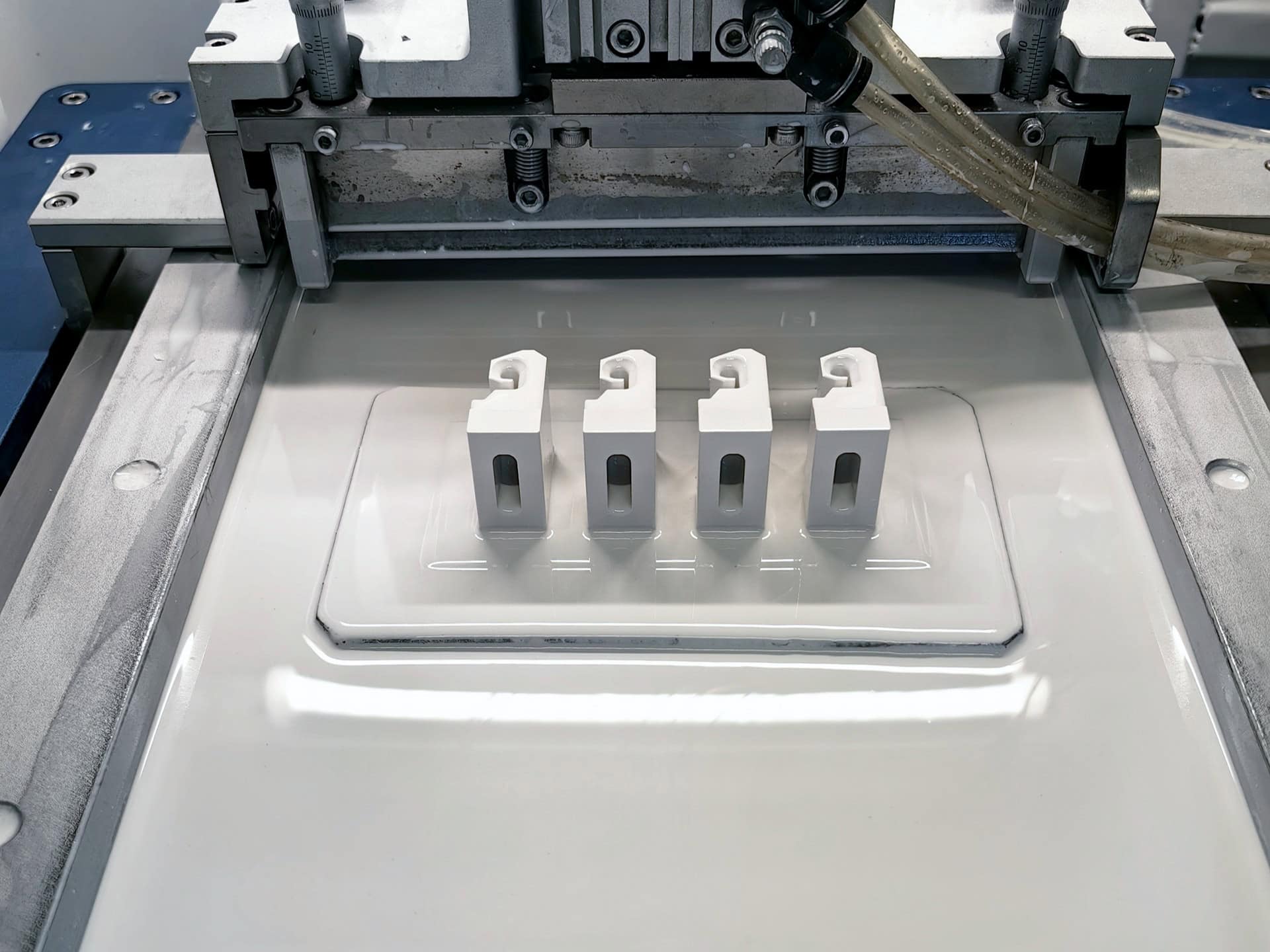
Additive manufacturing is the solution when time is of the essence. Ceramic 3D printing enables tool-free geometries, rapid iterations, and short cycles between concept, component, and testing. This is particularly helpful when a part was originally intended for metal or plastic and is now to be converted to ceramic: test first, validate next, then scale up reliably.
For us, 3D printing isn’t just a “show prototype.” If the geometry, production volume, and component design are suitable, and if the part is optimized for additive ceramics, additive manufacturing can also be a viable option for series production. Not as a blanket promise, but as a realistic option that we evaluate together against cost, cycle time, and quality requirements.
And because 3D printing isn’t the best option for every component, we also use traditional methods such as CIP and green machining for rapid functional prototypes. For parts that require tooling, rapid pre-production tooling can significantly speed up testing and approval processes. The goal is always to get a part on the table as quickly as possible—one that answers the right questions without later creating a dead end for series production.
Precision Hard Finishing: Grinding and Polishing
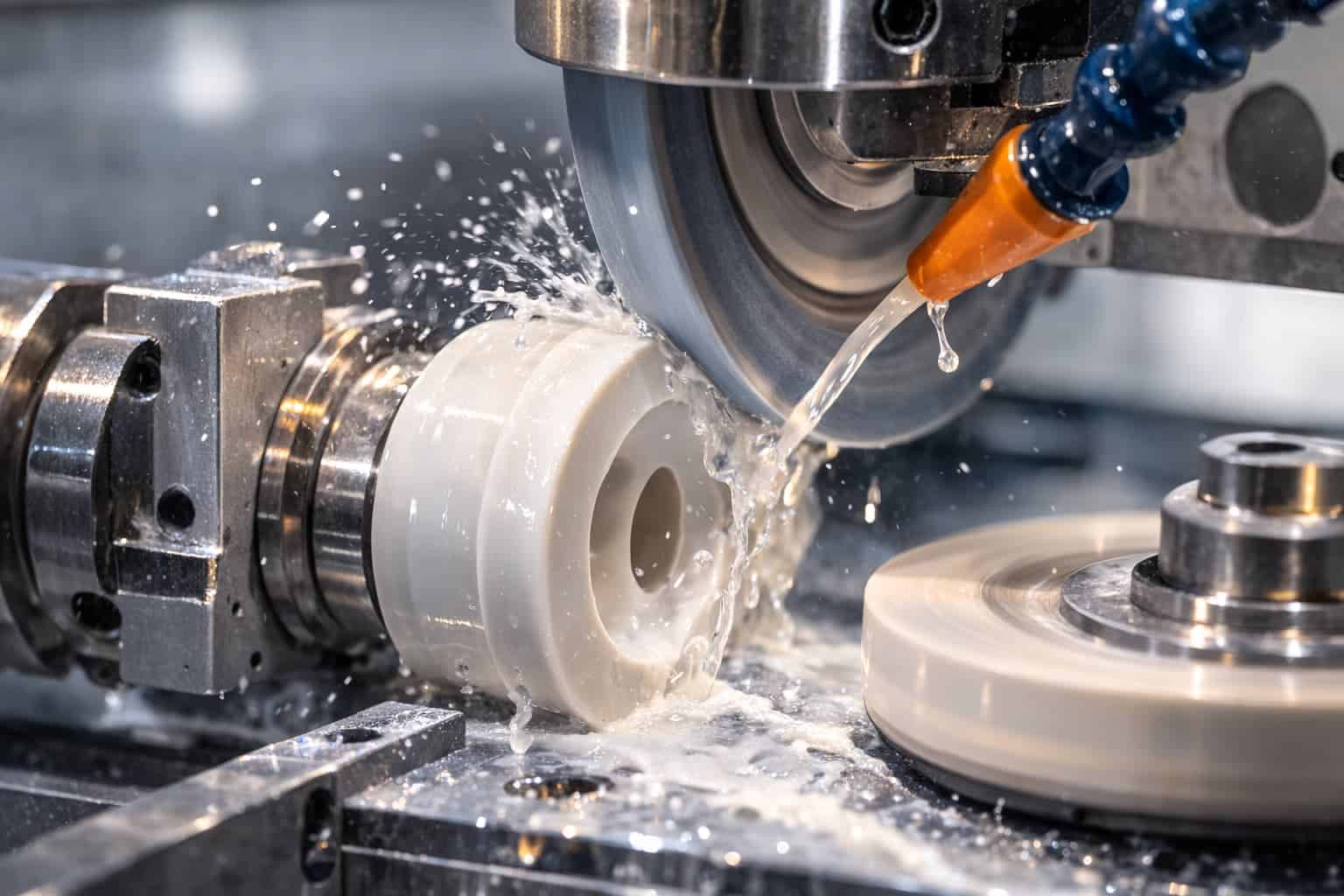
After sintering, engineering ceramics are extremely hard. That is what gives them their long service life—and the reason why precision isn’t achieved “as an afterthought.” When tight tolerances, defined surfaces, or precise fits are required, there is no substitute for diamond tools and precision grinding technology.
Hard machining is much more than just flat machining and cylindrical grinding. Depending on the geometry and requirements, this may include coordinate grinding, double-sided surface grinding, honing, and superfinishing, as well as drilling the ceramic in its hardened state. For certain tasks, ultrasonic-assisted grinding may also be appropriate. Ultimately, one simple criterion matters: the surface and geometry must be functionally “correct”—and reproducible.
That’s why the order is important: first, design the geometry and process path so that “near-net-shape” works; then use hard machining as a means to achieve precision—not as a last-resort solution. If you do this correctly, you’ll end up with high-precision ceramic components that are still suitable for mass production.
Quality Assurance and Measurement Technology
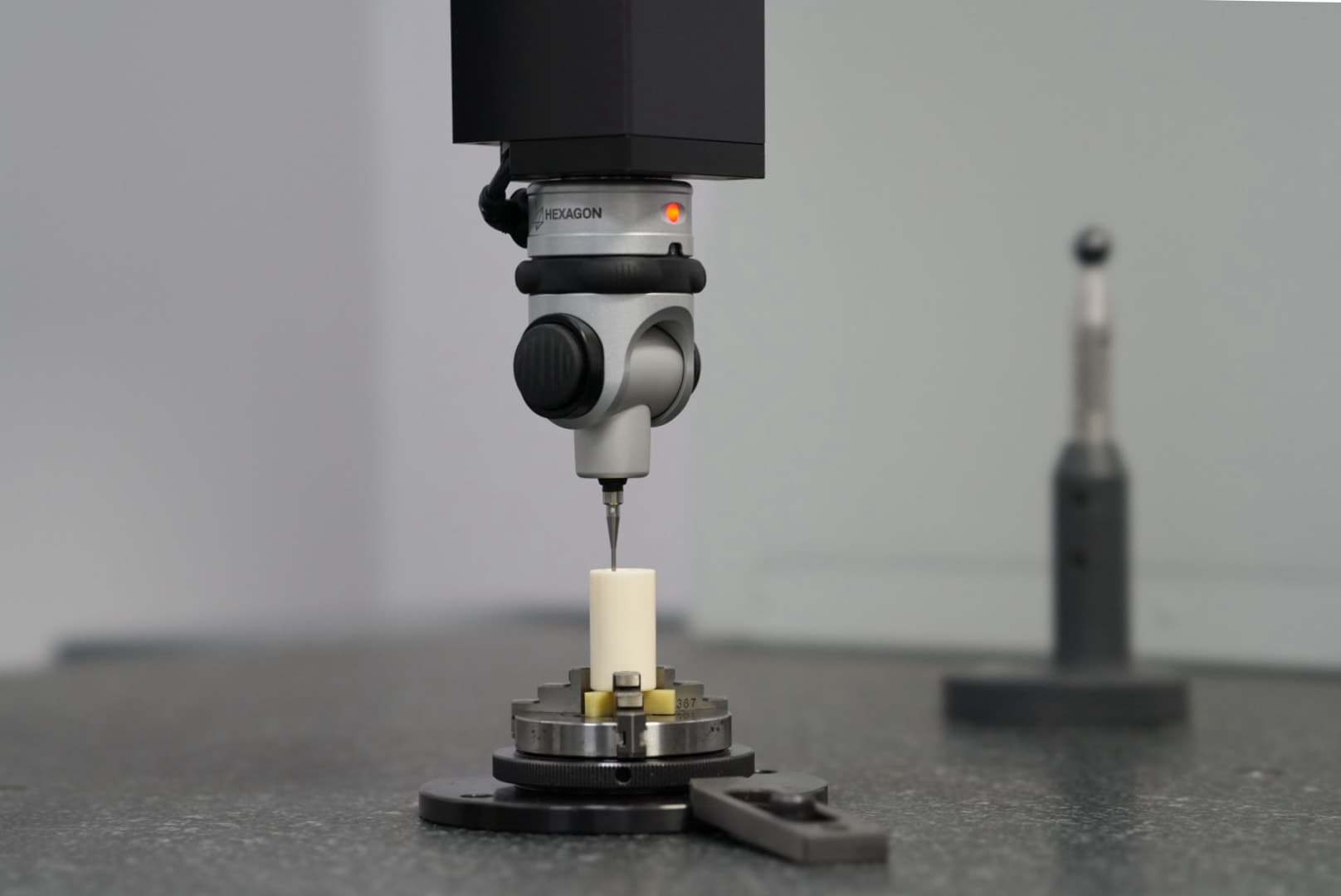
Ceramics is a material for people who want to see results, not stories. That’s why quality assurance isn’t just an afterthought for us—it’s an integral part of the process chain. We measure what we deliver—and we measure it in a way that ensures the data will be useful for the project later on.
Depending on the component, we use tactile and optical measurement techniques. Where appropriate, we also perform additional inspections—which are simply part of the process in ceramics when it comes down to it—including crack testing. Added to this are process control and repeatability as guiding principles: We don’t want “one good part”; we want every part to be good.
We operate under a quality management system that is actively implemented in accordance with DIN ISO 9001 and tailored to customer-specific requirements. In industries such as medical technology and the automotive industry, traceability, reproducibility, and thorough documentation are particularly important. A certificate on the wall isn’t enough—everyday operations must be up to standard.
Our Machinery
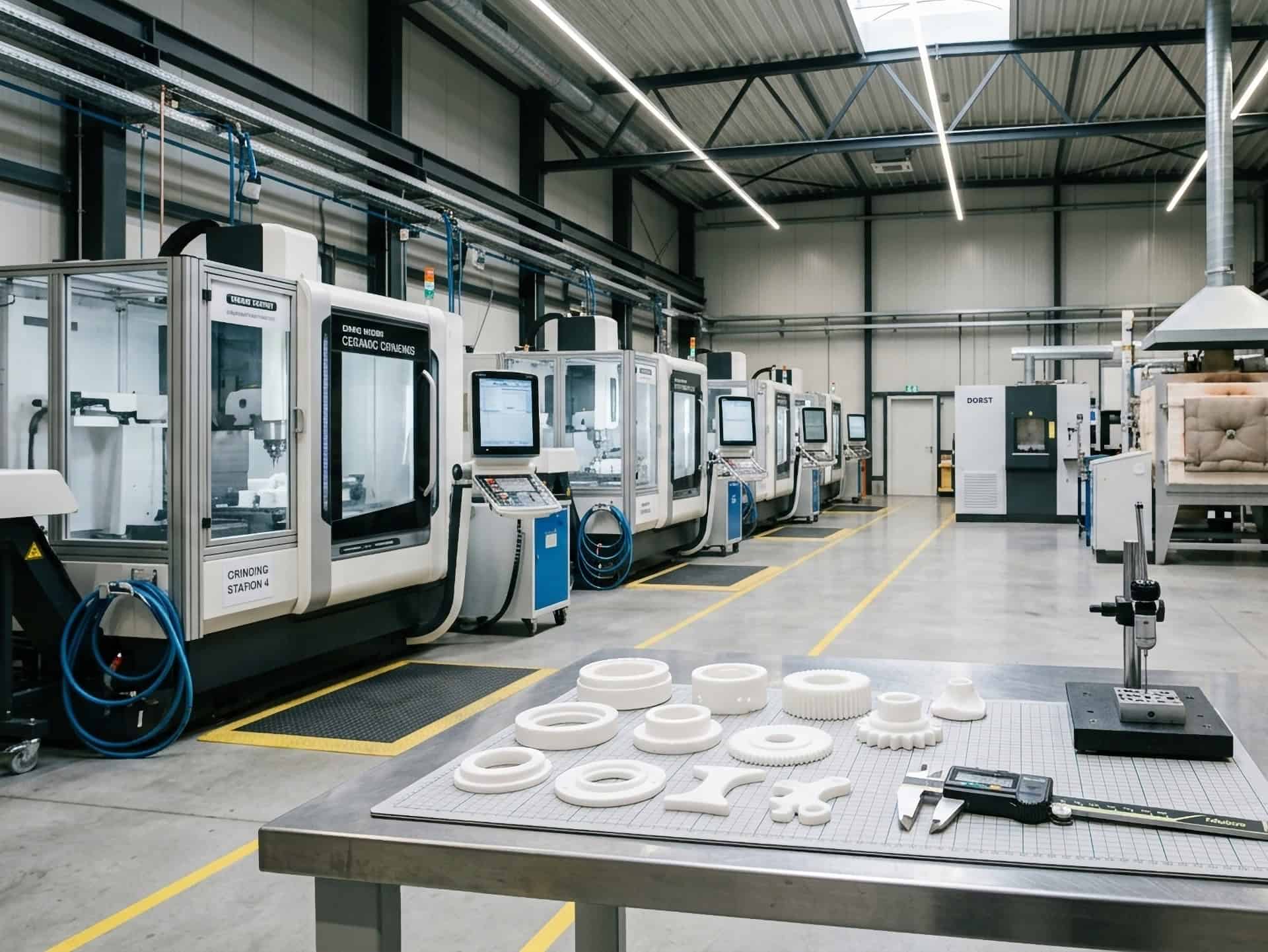
Our machinery is not designed as a showroom, but as a complete ceramic value chain. Shaping via CIM and dry pressing, rapid prototyping via CIP, green body machining and additive manufacturing, controlled heat treatment via debinding and sintering—and, where necessary, HIP (hot isostatic pressing). Depending on the application, this is supplemented by glazing or thermal cleaning firings. This is followed by precision machining with diamond tools and metrology for quality assurance.
One thing that makes everyday life easier for many customers: We also handle assembly. That means we don’t just supply ceramic parts—we assemble complete components featuring “Ceramics inside.” This way, we ensure that the entire system works as intended, and customers don’t have to coordinate with multiple small subcontractors. This saves time, reduces interface risks, and accelerates industrialization.
Manufacturing Consulting
From the STEP Model to Manufacturing Recommendations
If you want to determine which approach is right for your component, all you need to get started is a STEP model and a brief specification: temperature profile, medium, friction partner/contact, electrical requirements (if applicable), and planned quantity. We’ll then clearly explain which manufacturing process makes sense—and why.