
Not every application requires a high-performance ceramic. For many tasks, silicate ceramic materials offer a technically reliable and economical solution. This material group has been established in industry for decades, particularly for electrical insulation, thermal engineering and robust series components.
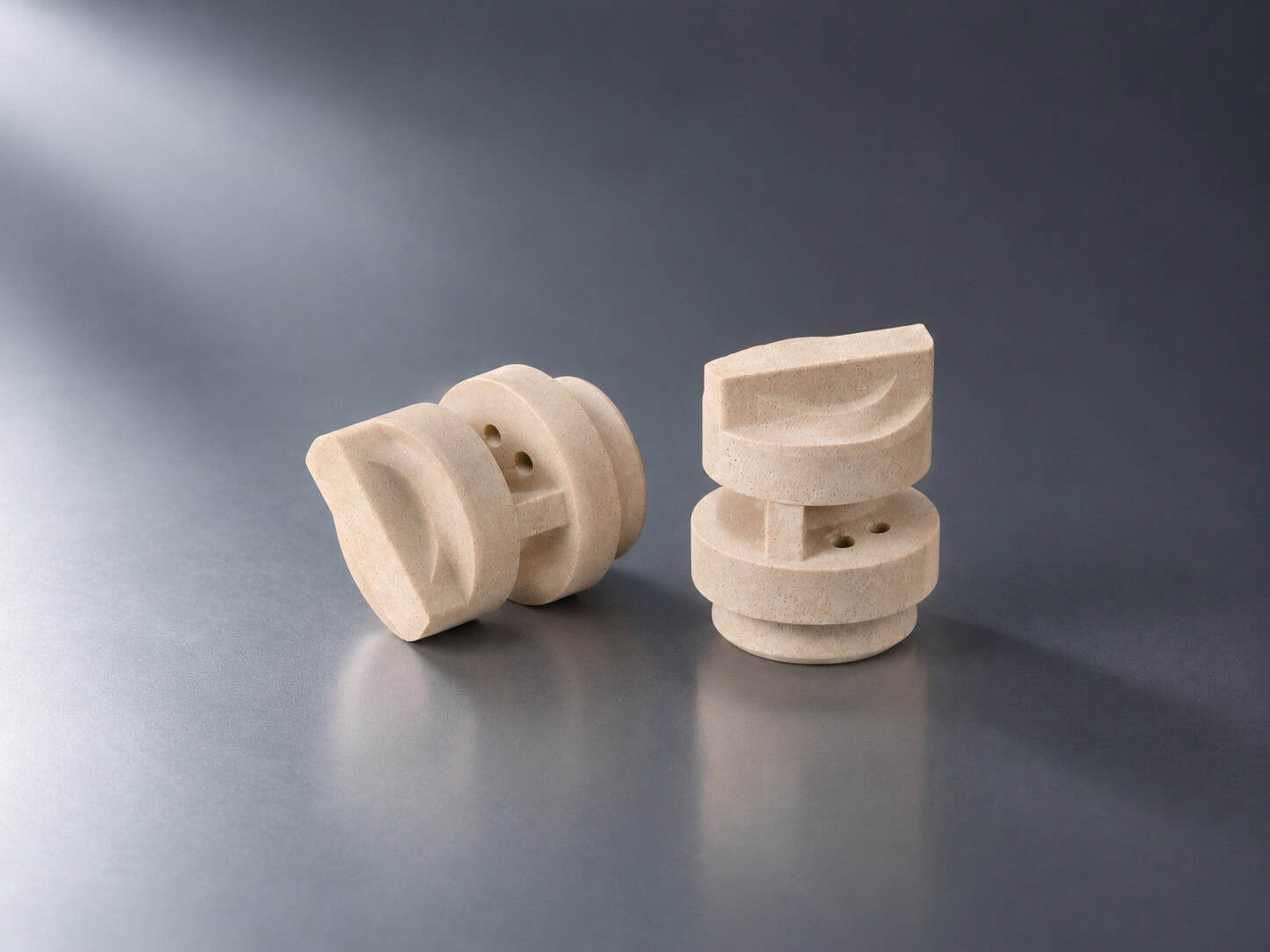
Silicate ceramics make sense when the required properties need to be achieved reliably without using a technically over-specified material.
Silicate ceramics have long been used as insulating materials in the electrical industry. They offer reliable electrical insulation, sufficient temperature resistance and properties that remain stable over long periods.
In many electrical engineering applications, what matters is not maximum individual values but long-term stable function and economical series production. The component must retain its insulation and geometry and be manufacturable in consistent quality.
Within silicate ceramic materials, different systems and grades are available. Which material is suitable depends on whether electrical insulation, temperature changes, mechanical stability or cost is the priority.
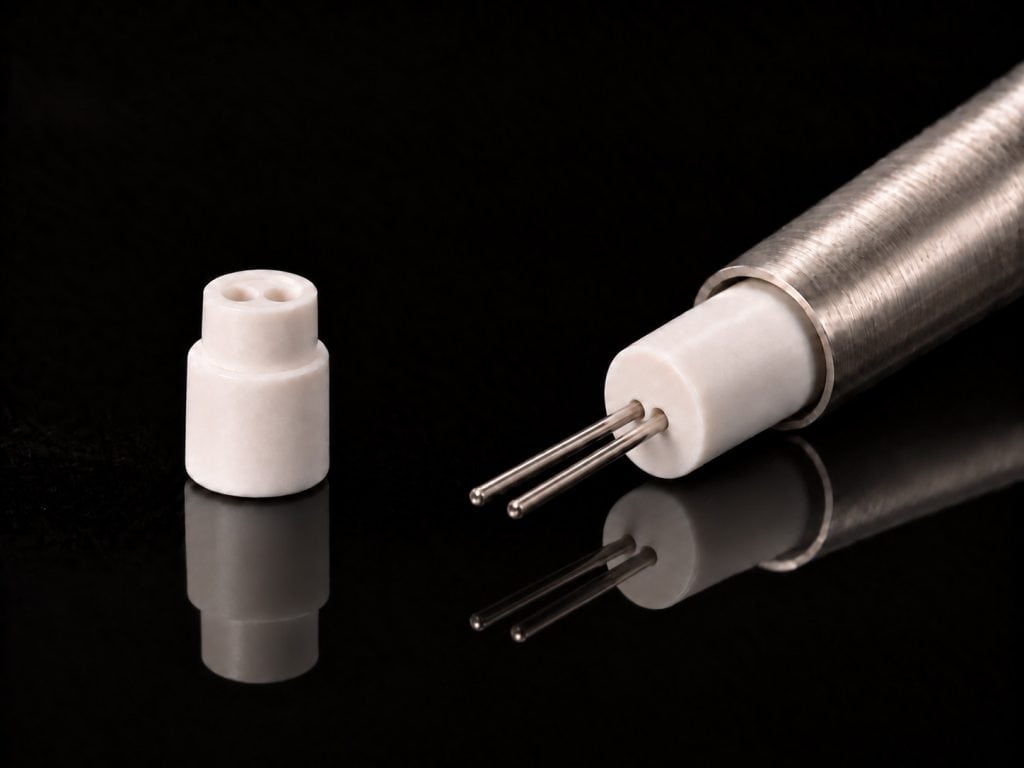
Steatite is often used for economical insulation components that require sufficient mechanical stability in addition to good electrical properties. The material has proven itself for decades in numerous standard electrical engineering applications.
Cordierite offers advantages under changing thermal loads. Thanks to its low thermal expansion, it is particularly suitable for components exposed to repeated heating and cooling cycles.
Both materials enable reliable and economical series solutions. The choice depends on whether electrical insulation or resistance to temperature changes is the key requirement.
The main advantage of silicate ceramics often lies in the economical production of large quantities. Proven materials and established manufacturing processes enable the reproducible production of components that insulate, fit and function reliably over the long term.
If the requirements fall within this well-known range of properties, no elaborate material development is needed. This makes silicate ceramic materials particularly attractive for standardised industrial and electrical components.
For an initial assessment, we need details of the application, the temperature profile, the electrical requirements and the planned quantity. We then check whether a silicate ceramic is sufficient or whether an oxide or non-oxide ceramic is required.